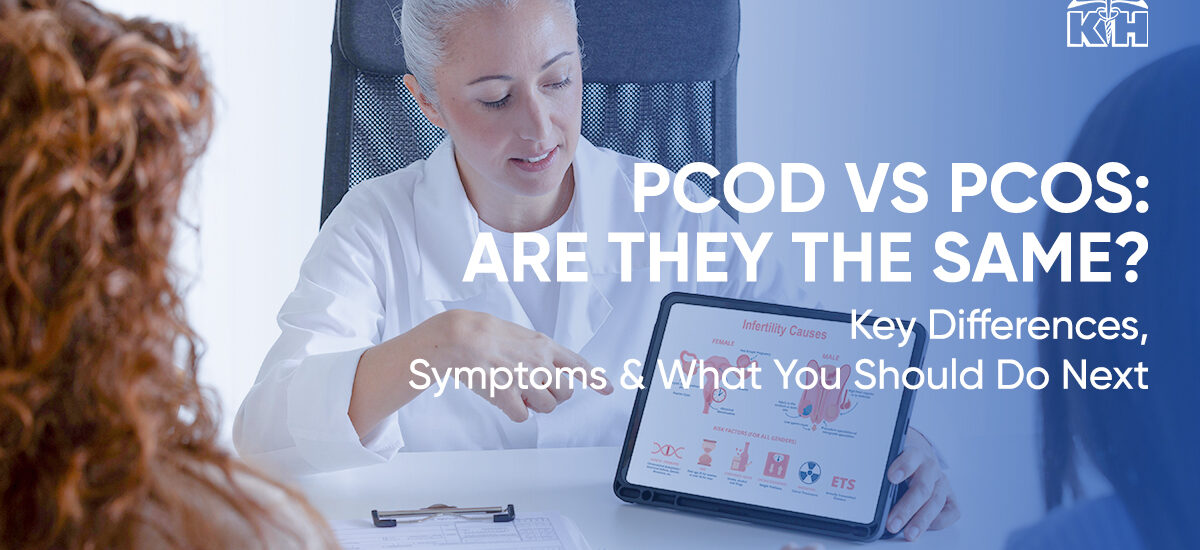
If you’ve been told you might have PCOD or PCOS — or if you’ve Googled “what is pcod and pcos” and ended up more confused than before — you’re not alone. These two terms are often used interchangeably, but they are not exactly the same condition. Understanding the difference can make a real difference in how you manage your health.
In this blog, we break down what PCOD and PCOS actually mean, how they differ, what symptoms to watch for, and when you should see a doctor.
What Is PCOD?
PCOD stands for Polycystic Ovarian Disease. It is a condition where the ovaries produce a higher-than-normal number of immature or partially mature eggs. Over time, these eggs turn into cysts — small fluid-filled sacs in the ovaries. This leads to the ovaries becoming enlarged and producing excess male hormones (androgens), which can cause a range of symptoms.
PCOD is largely considered a lifestyle disorder. It is very common — affecting roughly 1 in 10 women of reproductive age in India — and in many cases, it can be managed with the right diet, exercise, and lifestyle changes.
What Is PCOS?
PCOS stands for Polycystic Ovary Syndrome. It is a more complex endocrine (hormonal) disorder. Unlike PCOD, PCOS involves a significant disruption of the body’s hormonal balance — including insulin resistance, elevated androgen levels, and irregular or absent menstrual cycles.
PCOS is considered a syndrome, meaning it is a collection of symptoms rather than a single disease. It has broader health implications beyond the ovaries and can affect metabolism, mental health, skin, hair, and fertility. PCOS requires ongoing medical management and does not simply go away with lifestyle changes alone.
PCOD vs PCOS: What’s the Key Difference?
While both conditions involve the ovaries and hormonal imbalance, here is how they differ:
- Severity: PCOD is milder and more manageable; PCOS is a serious hormonal disorder.
- Cause: PCOD is largely driven by poor lifestyle habits and hormonal imbalance. PCOS has deeper metabolic and endocrine roots.
- Fertility Impact: Women with PCOD can often conceive with minimal intervention. Women with PCOS may face greater challenges and need more medical support.
- Prevalence: PCOD is more common. PCOS affects fewer women but is more serious.
- Long-term risks: PCOS significantly increases the risk of type 2 diabetes, cardiovascular disease, endometrial cancer, and depression.
What Are the Symptoms of PCOS and PCOD?
Many symptoms overlap between the two conditions. The most common ones include:
- Irregular or missed periods
- Unexplained weight gain, especially around the abdomen
- Acne, oily skin, or skin darkening (especially around the neck or underarms)
- Excessive hair growth on the face, chest, or back (hirsutism)
- Hair thinning or hair loss on the scalp
- Difficulty getting pregnant
- Mood swings, anxiety, or depression
- Pelvic pain or discomfort
In PCOS, these symptoms are often more severe and accompanied by signs of insulin resistance such as sugar cravings, fatigue, and difficulty losing weight.
How to Know If You Have PCOS or PCOD
You cannot self-diagnose either condition based on symptoms alone. A proper diagnosis involves:
- Pelvic ultrasound to check for cysts on the ovaries
- Blood tests to check hormone levels (LH, FSH, testosterone, insulin, thyroid)
- Review of menstrual history and clinical symptoms
Your gynaecologist will assess the full picture — symptoms, test results, and medical history — before confirming whether it is PCOD or PCOS.
Can PCOD and PCOS Be Treated?
Both conditions are manageable, though neither has a permanent cure. Treatment is focused on controlling symptoms and preventing complications.
For PCOD, lifestyle changes often bring significant improvement. A healthy diet low in refined sugar and processed foods, regular physical activity (especially strength training and yoga), good sleep, and stress management can normalize hormonal levels and even restore regular periods.
For PCOS, medical treatment is usually needed alongside lifestyle changes. This may include:
- Hormonal medications to regulate menstrual cycles
- Metformin or other medications to improve insulin sensitivity
- Fertility treatments if pregnancy is the goal
- Skin and hair treatments for cosmetic symptoms
When Should You See a Doctor?
Do not wait for symptoms to become severe. You should consult a gynaecologist if:
- Your periods are irregular, very heavy, or absent
- You are experiencing unexplained weight gain or difficulty losing weight
- You notice excessive hair growth or hair loss
- You are trying to conceive and having difficulty
- You have a family history of PCOS, diabetes, or thyroid issues
Early diagnosis and consistent management can prevent serious long-term complications.
Take the First Step Towards Better Health
At Kumaran Hospitals, our experienced team of gynaecologists and endocrinologists provide comprehensive, personalised care for women with PCOD and PCOS. Whether you are experiencing symptoms for the first time or looking for better long-term management, we are here to help.
Book a consultation today at kumaranhospitals.com and take control of your hormonal health.
Frequently Asked Questions
No. While both conditions involve the ovaries and hormonal imbalance, they are not the same. PCOD is a milder lifestyle-related condition, whereas PCOS is a more complex endocrine disorder with broader health implications including insulin resistance and metabolic issues.
Yes. Women with PCOD can often conceive naturally or with minimal medical support. Women with PCOS may face more challenges but can still achieve pregnancy with the right medical care, including ovulation induction or IVF if needed.
You should avoid refined carbohydrates (white bread, white rice), sugary foods and beverages, processed snacks, fried foods, and excess dairy. These can spike insulin levels and worsen hormonal imbalance.
There is currently no permanent cure for PCOS, but it can be effectively managed with lifestyle changes, medication, and regular monitoring. Many women experience significant symptom relief with the right treatment plan.
Both PCOD and PCOS typically appear during the reproductive years, most commonly between the ages of 15 and 30. However, symptoms can sometimes be noticed as early as puberty.