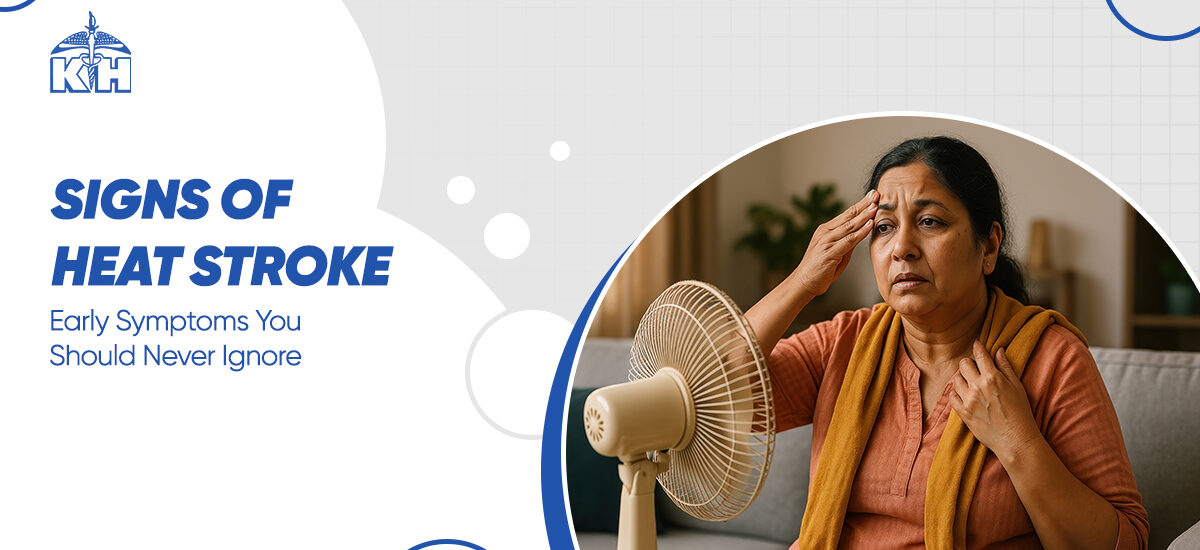
Extreme summer heat can quickly turn dangerous, especially in tropical cities like Chennai, where temperatures and humidity levels rise significantly during peak months. Heat-related illnesses are common during this time, and knowing the first aid for heat stroke can make the difference between recovery and a medical emergency.
Heat stroke is the most severe form of heat illness. It occurs when the body can no longer regulate its temperature after prolonged exposure to high heat or intense physical activity. According to the World Health Organization, heat-related conditions are increasing worldwide due to rising temperatures and climate change, making awareness and quick first aid response extremely important.
In this guide, you’ll learn how to recognise early symptoms, understand the difference between heat exhaustion and heat stroke, and apply immediate heat stroke treatment first aid to protect yourself or someone around you.
What is Heatstroke?
Heatstroke is a serious condition where the body’s temperature rises above 40°C (104°F) and the natural cooling mechanism, sweating fails. Normally, the body maintains temperature through sweating and blood circulation near the skin. However, during extreme heat exposure, this system can collapse.
When heatstroke occurs, the body overheats rapidly, which can affect vital organs such as the brain, heart, and kidneys. This is why immediate first aid management of heat stroke is crucial.
Medical experts from the Centers for Disease Control and Prevention warn that untreated heatstroke can lead to complications such as brain injury, organ failure, or even death.
Because symptoms can escalate quickly, early recognition and prompt heat stroke first aid are essential.
Common Causes of Heat Stroke in Summer
Heatstroke often occurs during intense summer heat waves. Several factors increase the risk of developing this condition.
The most common causes include:
Prolonged exposure to high temperatures: Spending long hours outdoors in extreme heat without adequate shade or cooling can overwhelm the body’s ability to regulate temperature.
Dehydration: When the body loses excessive fluids through sweating without replenishment, cooling becomes ineffective.
Heavy physical activity in hot weather: Outdoor labourers, construction workers, athletes, and delivery workers are particularly vulnerable.
Poor ventilation or closed environments: Staying in hot vehicles or poorly ventilated rooms can rapidly increase body temperature.
These conditions often lead to early warning signs, such as mild heat stroke symptoms or symptoms of loo (hot wind exposure common in Indian summers), before progressing to severe illness.
Early Symptoms of Heat Stroke You Should Not Ignore
Recognising early warning signs helps prevent the condition from becoming life-threatening. Many patients initially experience symptoms similar to heat exhaustion, which can progress into heatstroke if untreated.
High Body Temperature
A core body temperature above 40°C is one of the clearest indicators of heatstroke.
Confusion or Dizziness
Overheating affects the brain, causing confusion, agitation, or difficulty concentrating.
Nausea and Vomiting
The digestive system slows down when the body overheats, leading to nausea or vomiting.
Rapid Heartbeat
The heart works harder to circulate blood and cool the body, resulting in a rapid heartbeat.
Other symptoms may include headache, fatigue, and muscle cramps. If these signs appear during extreme heat exposure, immediate heat stroke first aid should begin.
Heat Stroke First Aid: What to Do Immediately
Providing quick heat-stroke treatment and first aid can significantly reduce complications while waiting for medical help.
Move the Person to a Cool Place
Immediately move the individual to a shaded or air-conditioned area. Reducing environmental heat helps lower body temperature.
Remove Excess Clothing
Loosen or remove tight clothing to allow heat to escape and improve airflow.
Apply Cool Water or Ice Packs
Use cold compresses, damp cloths, or ice packs on areas like the neck, armpits, and groin where major blood vessels are located. This helps cool the body faster.
Give Fluids if Conscious
If the person is awake and able to drink, provide cool water or oral rehydration fluids.
Call Emergency Medical Help
Heatstroke is a medical emergency. Even if symptoms appear to improve, professional medical evaluation is necessary.
Doctors at facilities such as Kumaran Hospitals emphasise that timely heat stroke first aid, followed by medical care, prevents severe complications.
First Aid for Sunstroke at Home
Sunstroke is a commonly used term for heatstroke caused by direct exposure to sunlight. Early sunstroke first aid treatment can often prevent hospitalisation.
Helpful home remedies include:
- Resting in a cool, ventilated room
- Drinking electrolyte fluids or coconut water
- Taking a cool shower or sponge bath
- Applying wet towels to the body
However, if symptoms worsen or persist, medical evaluation is necessary. Individuals experiencing recurrent heat-related illnesses may benefit from a comprehensive health checkup in Chennai or regular checkups to assess hydration status and overall health.
Difference Between Heat Exhaustion and Heat Stroke
Understanding the difference between heat exhaustion and heat stroke is essential because both conditions require different levels of medical urgency.
| Feature | Heat Exhaustion | Heat Stroke |
| Body Temperature | Usually below 40°C | Above 40°C |
| Sweating | Heavy sweating | Often dry or reduced sweating |
| Mental State | Fatigue, weakness | Confusion or unconsciousness |
| Severity | Moderate | Life-threatening |
Heat exhaustion can often be treated with rest, hydration, and cooling. However, once symptoms progress into heatstroke, emergency medical care becomes critical.
Doctors warn that ignoring the early heat exhaustion vs heat stroke signs may lead to severe complications.
When Should You Go to the Hospital?
Immediate medical attention is required if any of the following symptoms occur:
- Loss of consciousness
- Persistent vomiting
- Severe confusion
- Seizures
- Extremely high body temperature
Hospitals may treat severe heatstroke with intravenous fluids (fluids given directly into a vein), cooling therapy, and monitoring of vital organs.
Specialised medical centres such as Kumaran Hospitals provide emergency evaluation and treatment for heat-related illnesses during peak summer months.
If symptoms appear severe, it is always safer to book a consultation.
Who Is at Higher Risk of Heat Stroke?
Although anyone can develop heatstroke, certain groups are particularly vulnerable.
Elderly People
Older adults often have reduced ability to regulate body temperature and may be taking medications that affect hydration.
Children
Children’s bodies heat up faster than adults, making them more susceptible to heat illness.
Outdoor Workers
Construction workers, traffic police, farmers, and delivery staff frequently work under direct sunlight.
People with Chronic Illnesses
Individuals with heart disease, diabetes, or kidney disorders may struggle to adapt to extreme temperatures.
Understanding these risk groups helps families prepare and respond quickly with appropriate heat stroke first aid.
How to Prevent Heat Stroke During Summer
Preventing heatstroke is much easier than treating it, and good preventive health care practices can significantly reduce your risk during hot weather.
Stay Hydrated: Drink water frequently throughout the day, even if you do not feel thirsty.
Avoid Peak Sun Hours: Limit outdoor activity between 11 AM and 4 PM when temperatures are highest.
Wear Light Clothing: Loose, breathable fabrics allow heat to escape more easily.
Use Sun Protection: Hats, umbrellas, and sunscreen reduce direct sun exposure.
Take Regular Breaks: Outdoor workers should take breaks in shaded or cool environments.
People with breathing issues/asthma triggers may also experience discomfort during extreme heat and humidity.
Final Thoughts
Rising temperatures mean heat-related illnesses are becoming increasingly common. Knowing the right steps for heat stroke first aid allows you to respond quickly and potentially save lives.
Early recognition of symptoms, immediate cooling measures, and timely medical care are the keys to preventing serious complications. If you or a loved one experiences severe symptoms during extreme heat, do not delay medical attention.
Frequently Asked Questions
The most important steps for heat stroke first aid include moving the person to a cool place, removing excess clothing, cooling the body with water or ice packs, providing fluids if conscious, and seeking emergency medical help.
Common warning signs include extremely high body temperature, confusion, dizziness, nausea or vomiting, and rapid heartbeat.
Doctors typically use rapid cooling techniques, intravenous fluids, oxygen therapy, and monitoring of vital organs to stabilise the patient.
Heatstroke is generally classified into exertional heatstroke (caused by intense physical activity in the heat) and non-exertional, or classic, heatstroke (caused by prolonged exposure to high environmental temperatures).
In extreme heat conditions, heatstroke can develop within 10–15 minutes, especially during heavy physical activity or dehydration.
Yes, proper hydration helps maintain the body’s cooling system and significantly reduces the risk of heatstroke.
Typical symptoms include heavy sweating, weakness, dizziness, headache, nausea, muscle cramps, and rapid pulse.