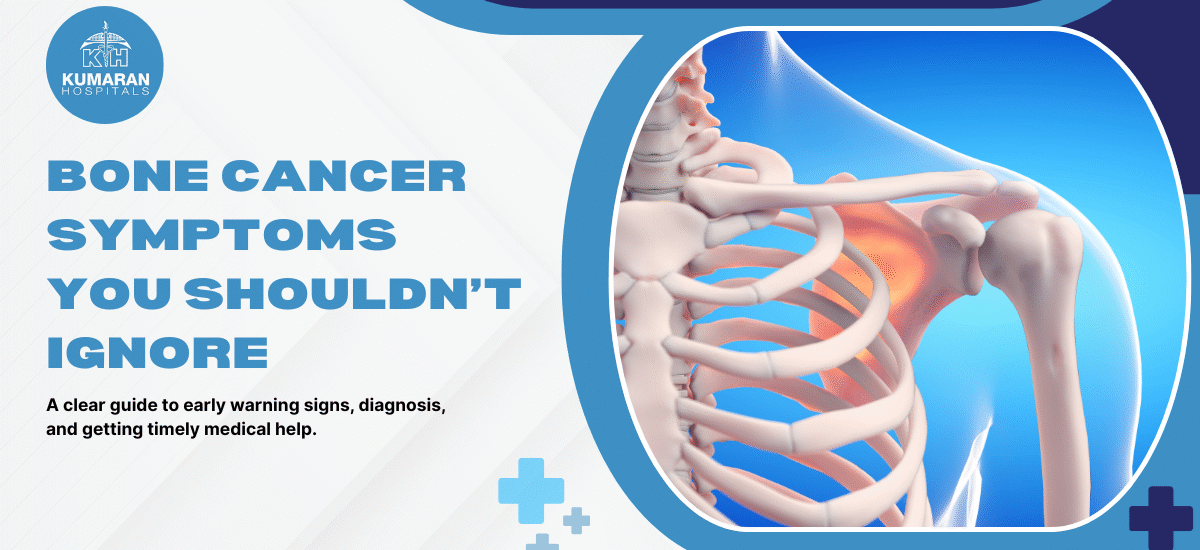
Bone cancer is rare, but early detection can make a remarkable difference in treatment success and quality of life. Many people ignore early signs such as persistent bone pain or swelling, assuming they’re caused by minor injuries or arthritis. Unfortunately, by the time symptoms become severe, the disease may already have advanced.
Understanding how to detect bone cancer early, recognizing its warning signs, and knowing when to seek help can lead to timely diagnosis and better outcomes. This article walks you through common bone cancer symptoms, diagnostic tests, and the role of orthopaedic oncology specialists in ensuring accurate and effective treatment.
1. Why Early Detection Matters in Orthopaedic Oncology
Bone cancers such as osteosarcoma, chondrosarcoma, and Ewing sarcoma can affect people of all ages but are most common in children, adolescents, and older adults. Detecting these cancers early helps doctors plan treatments that can preserve limbs and improve survival rates.
“In bone cancer, timing is everything. Identifying symptoms early allows us to use limb-sparing surgical techniques and targeted treatments before the disease spreads,” – Dr. R. Prakash, Orthopaedic Oncologist, Kumaran Hospitals.
According to the American Cancer Society, there are no routine screening tests for bone cancer. Therefore, awareness and prompt action are key.
2. Understanding How to Detect Bone Cancer: The Early Warning Signs
Many early bone cancer symptoms can resemble common orthopedic issues like arthritis or sports injuries. However, certain red flags should not be ignored.
a. Persistent or Worsening Bone Pain
Pain is the most common early sign. It may start as a dull ache that worsens at night or during activity. Over time, it becomes constant and more intense, even at rest.
b. Swelling or Lumps
Swelling may occur weeks after pain begins. You might notice a firm lump or tenderness near joints such as the knee, shoulder, or hip.
c. Unexplained Fractures
Bones weakened by cancer can fracture even with minor trauma. If a fracture occurs without a significant injury, an orthopedic diagnosis is essential.
d. Fatigue and Weight Loss
While not specific, persistent tiredness or unintentional weight loss may indicate that cancer is affecting the body’s metabolism.
If you or your child experiences these symptoms for more than two weeks, it’s important to consult an orthopaedic oncology specialist.
3. Step-by-Step Orthopedic Diagnosis Process
Diagnosing bone cancer involves several steps. A careful orthopedic diagnosis ensures the cause of the pain or swelling is accurately identified.
a. Medical History and Physical Examination
The doctor will review symptoms, previous injuries, and family history. They’ll examine affected areas for swelling, tenderness, or restricted movement.
b. Imaging Tests
Modern imaging plays a key role in detecting and confirming bone cancer.
- X-rays often reveal bone abnormalities or tumor patterns.
- MRI (Magnetic Resonance Imaging) provides detailed images to assess tumor size and tissue involvement.
- CT (Computed Tomography) scans show bone structure and possible spread to lungs or other organs.
- Bone scans help detect changes or multiple affected sites.
c. Laboratory Tests
Doctors may measure levels of alkaline phosphatase or lactate dehydrogenase (LDH)—both enzymes that can be elevated when bone turnover is high.
d. Biopsy: The Final Confirmation
A biopsy involves taking a small sample of the affected bone or tissue for microscopic analysis. It confirms whether a tumor is cancerous and its type.
There are two main biopsy types:
- Needle biopsy: Less invasive, often guided by imaging.
- Surgical biopsy: A small incision allows direct sampling when needle results are unclear.
The MD Anderson Cancer Center emphasizes that an experienced orthopaedic oncologist should always perform biopsies to avoid complications that could affect future treatment.
4. How Orthopaedic Oncology Specialists Help in Early Diagnosis
Orthopaedic oncologists are surgeons specially trained in diagnosing and treating bone and soft-tissue cancers. Their expertise ensures that the orthopedic diagnosis is both accurate and minimally invasive.
They coordinate with radiologists, pathologists, and medical oncologists to form a multidisciplinary care plan. Early referral to these specialists can prevent misdiagnosis such as mistaking a tumor for an infection or sports injury.
If you suspect unusual pain or swelling, visiting an orthopaedic oncology clinic early can significantly reduce the need for extensive surgery later.
5. Challenges in Early Detection
Detecting bone cancer early is challenging because:
- It’s rare (accounts for less than 1% of all cancers).
- Initial symptoms often mimic minor orthopedic issues.
- Many patients delay medical help, hoping the pain will resolve on its own.
According to the National Cancer Institute, around 3,900 new cases of bone cancer are diagnosed each year in the U.S., with survival rates depending heavily on the stage at diagnosis. For localized bone cancer, the 5-year survival rate is over 85%, but it drops significantly once the cancer spreads to other organs.
6. When to Seek Medical Help
Seek evaluation from an orthopaedic oncology specialist if:
- Bone pain lasts longer than 2-3 weeks.
- You notice swelling or a lump that keeps growing.
- A fracture occurs without significant trauma.
- You have unexplained fatigue, fever, or weight loss.
Early consultation helps identify whether it’s a benign bone condition or something requiring further investigation.
If you are in Chennai or nearby, Kumaran Hospitals offers advanced orthopedic, diagnostic, and cancer care under expert guidance.
7. Next Steps After Diagnosis: Bone Cancer Treatment
Once bone cancer is confirmed, the treatment plan depends on its type, size, and stage.
Typical approaches include:
- Surgery: To remove the tumor and preserve the limb when possible.
- Chemotherapy: Often used for osteosarcoma or Ewing sarcoma.
- Radiation therapy: Used when surgery isn’t possible or to shrink tumors before surgery.
Your doctor will customize the treatment to ensure the best functional and survival outcomes.
Conclusion:
Bone cancer doesn’t have to be a silent threat. Recognizing bone cancer symptoms, understanding how to detect bone cancer, and consulting a specialist early can change outcomes dramatically.
If you experience persistent pain, swelling, or unexplained fractures, don’t ignore it. Early detection through proper orthopedic diagnosis can make treatment simpler and recovery faster.
Book a consultation at Kumaran Hospitals to get expert evaluation and compassionate care from our orthopaedic oncology specialists.
References
- American Cancer Society – Detection and Diagnosis of Bone Cancer
- Mayo Clinic – Bone Cancer: Diagnosis and Treatment
- MD Anderson Cancer Center – Bone Cancer Diagnosis
- National Cancer Institute – Bone Cancer Statistics
- Verywell Health – How Long Can You Have Bone Cancer Without Knowing?
Frequently Asked Questions
Persistent pain that worsens at night or during activity is usually the first sign. Swelling or a noticeable lump may follow later.
Yes, X-rays often show bone abnormalities suggestive of cancer, but further tests like MRI or biopsy are needed for confirmation.
If the pain doesn’t improve with rest or simple medication within two weeks, it’s time to consult an orthopedic specialist.
An orthopaedic oncologist is the right specialist to diagnose and manage bone tumors.
Yes, when detected early and treated appropriately, many bone cancers can be cured with surgery and other therapies.