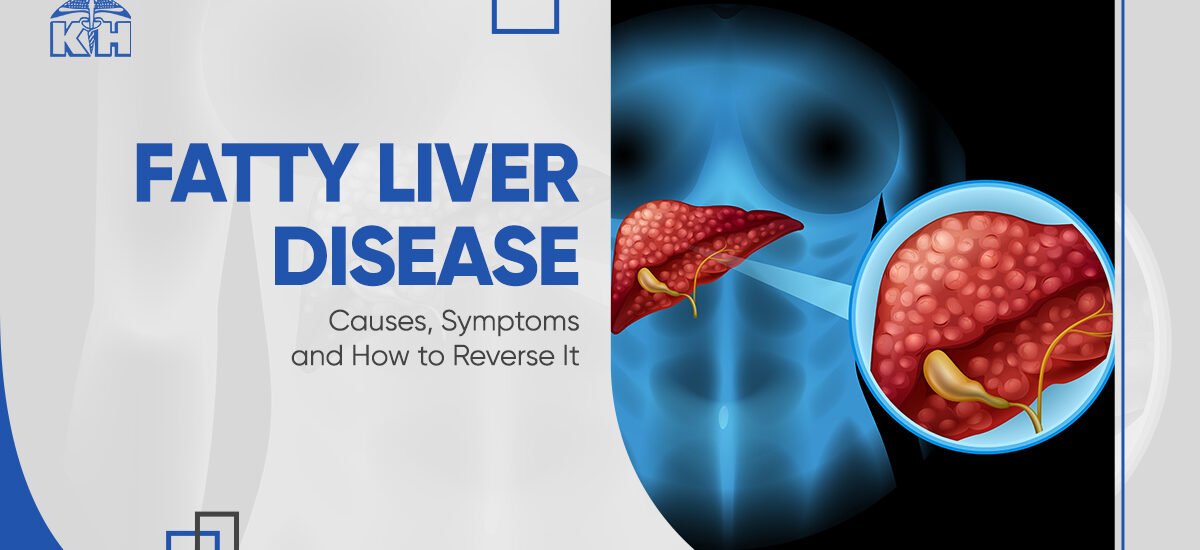
Fatty liver disease is becoming one of the most commonly diagnosed lifestyle-related conditions in urban cities like Chennai. With changing food habits, reduced physical activity, and rising stress levels, more people are being diagnosed during routine health check-ups, often without any warning signs.
This condition occurs when excess fat accumulates in the liver, affecting its ability to function properly. While it may seem harmless in the early stages, ignoring it can lead to serious complications over time.
If you are looking for accurate diagnosis and personalised care, consulting specialists at the best multispeciality hospitals in chennai ensures timely evaluation and the right treatment approach.
What is Fatty Liver Disease?
Fatty liver disease refers to the buildup of fat inside liver cells beyond normal levels. The liver naturally contains some fat, but when it exceeds 5–10% of its weight, it becomes a medical concern.
There are two major types:
- Non-alcoholic fatty liver disease (NAFLD): Common in people with obesity, diabetes, or metabolic disorders
- Alcoholic fatty liver disease: Caused by excessive alcohol consumption
In its early stages, fatty liver disease may not show symptoms, which is why many people remain unaware until it is detected through blood tests or scans.
Causes of Fatty Liver Disease
Fatty liver disease is often linked to lifestyle and metabolic factors. Understanding the causes helps in both prevention and treatment.
Unhealthy Diet
Diets high in processed foods, sugar, and unhealthy fats can lead to fat accumulation in the liver.
Obesity
Excess body weight significantly increases the risk, especially when fat accumulates around the abdomen.
Diabetes and Insulin Resistance
When the body cannot effectively use insulin, fat begins to build up in the liver.
Sedentary Lifestyle
Lack of physical activity slows metabolism and promotes fat storage.
Alcohol Consumption
Excessive alcohol intake damages liver cells and interferes with fat metabolism.
Many patients also have associated conditions like high cholesterol or hypertension, which further increase the risk of liver damage.
Symptoms of Fatty Liver Disease
Fatty liver disease is often called a “silent condition” because it may not cause noticeable symptoms in the early stages. However, as it progresses, some warning signs may appear.
Common symptoms include:
- Persistent fatigue or low energy levels
- Mild discomfort or heaviness in the upper abdomen
- Unexplained weight changes
- Loss of appetite
In more advanced stages, symptoms may overlap with serious liver conditions. To understand how liver damage progresses, you can read more about liver cancer and cirrhosis differences.
Can Fatty Liver Disease Be Reversed?
One of the most reassuring aspects of fatty liver disease is that it can be reversed in its early stages.
Unlike many chronic conditions, the liver has a remarkable ability to heal itself when the underlying cause is addressed. With consistent lifestyle changes and medical guidance, patients can significantly improve liver function.
A structured approach to diet plays a key role. You can follow this fatty liver diet plan to understand what foods support liver recovery and which ones to avoid.
How to Reverse Fatty Liver Disease Naturally
1. Focus on a Balanced Diet
A healthy diet should include:
- Fresh vegetables and fruits
- Whole grains
- Lean proteins like fish or legumes
- Healthy fats such as nuts and seeds
Avoid fried foods, sugary drinks, and processed snacks.
2. Maintain a Healthy Weight
Even a small reduction in body weight (around 5–10%) can significantly reduce liver fat.
3. Exercise Regularly
Physical activity helps burn stored fat and improves insulin sensitivity.
4. Control Blood Sugar and Cholesterol
Managing diabetes and cholesterol levels prevents further liver damage.
5. Limit or Avoid Alcohol
Reducing alcohol intake allows the liver to repair itself more effectively.
When Does Fatty Liver Become Serious?
If left untreated, fatty liver disease can progress into:
- Liver inflammation
- Fibrosis (scarring of liver tissue)
- Cirrhosis (advanced scarring)
- Liver failure
In severe cases, advanced treatments like liver transplantation may be required. Early diagnosis helps prevent reaching this stage.
When Should You See a Doctor?
You should consult a doctor if you:
- Have diabetes or obesity
- Experience persistent fatigue
- Have abnormal liver test results
- Have a family history of liver disease
Early medical advice can prevent complications and ensure better recovery outcomes. You can book your consultation for expert care in Chennai.
Conclusion
Fatty liver disease is a growing concern, especially in urban populations like Chennai. The encouraging part is that it is largely preventable and reversible when addressed early.
Making simple lifestyle changes such as improving diet, staying active, and managing weight can significantly improve liver health. If you are at risk or experiencing symptoms, consulting specialists at the best multispeciality hospitals in Chennai ensures early diagnosis and effective treatment.
Frequently Asked Questions
Yes, fatty liver disease can often be reversed completely if detected early. By following a proper diet, maintaining a healthy weight, and staying physically active, the liver can gradually return to normal function. However, in advanced stages, treatment focuses on preventing further damage rather than complete reversal.
You should avoid foods high in sugar, refined carbohydrates, and unhealthy fats. This includes soft drinks, fried foods, bakery items, and processed snacks. Reducing alcohol intake is also essential for improving liver health.
In its early stages, the fatty liver is usually manageable. However, if left untreated, it can progress to serious conditions like cirrhosis or liver failure. Regular monitoring and lifestyle changes are key to preventing complications.
Recovery time varies depending on the severity of the condition and lifestyle changes. Some patients see improvement within a few months, while others may take longer with consistent effort.
Yes, exercise plays a crucial role in reducing liver fat. Regular physical activity improves metabolism, reduces weight, and enhances liver function over time.