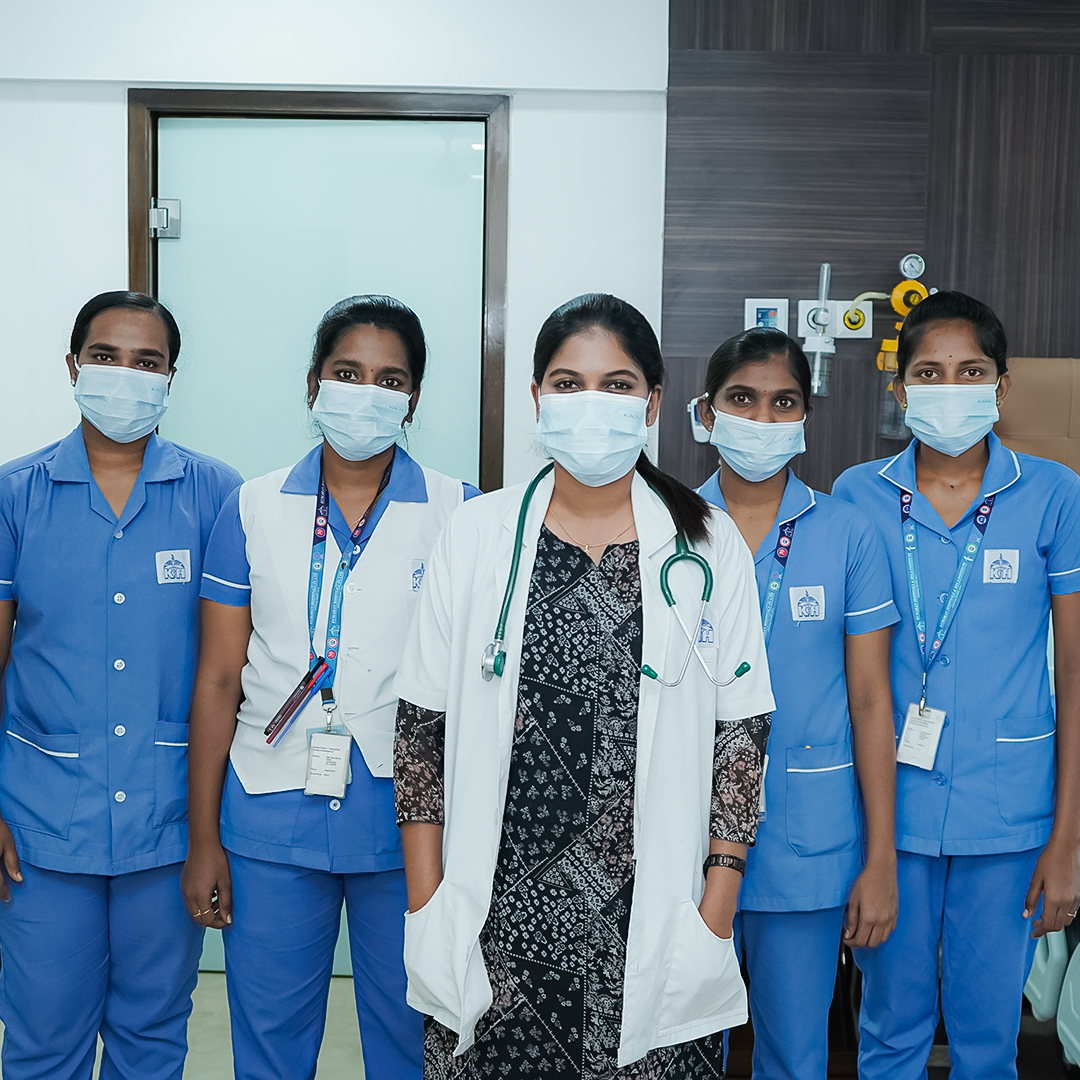

Maintaining good health is not only about treating illness when it occurs but also about preventing disease before it begins. A regular health check-up helps identify potential health issues early, often before symptoms develop, allowing timely medical intervention and better health outcomes. Evidence shows that routine health screenings can significantly reduce the risk of death by up to 45% through early diagnosis and treatment of conditions such as cardiovascular disease, diabetes, cancers, and thyroid or liver disorders.
At Kumaran Hospital, we strongly advocate preventive healthcare through structured and comprehensive health check-up programs. This guide explains the importance of regular health check-ups, what a general check-up includes, its long-term benefits, and when it should begin.
What Is a Regular Health Check Up?
A regular health check-up is a planned medical evaluation designed to assess overall health, detect early signs of disease, and monitor risk factors such as blood pressure, blood sugar, cholesterol, and organ function. Unlike visits made when symptoms appear, routine check-ups focus on prevention and early diagnosis.
A general check-up typically includes clinical examination, laboratory investigations, and diagnostic tests tailored to age, gender, medical history, and lifestyle factors.
Routine checkups allow patients to understand their health status, receive tailored advice on diet, exercise, and lifestyle modifications, and feel reassured about their health, contributing to overall well-being and mental comfort.
Importance of Regular Health Check Up
The importance of regular health check-ups cannot be overstated in today’s environment, where lifestyle-related diseases are increasingly common. Conditions such as diabetes, hypertension, heart disease, kidney disorders, and certain cancers often progress without noticeable symptoms in their early stages.
Regular health screening helps in:
- Detecting diseases at an early and treatable stage
- Identifying risk factors before complications develop
- Monitoring existing medical conditions
- Evaluating the effectiveness of ongoing treatment
- Encouraging healthy lifestyle choices
Early detection through a regular health check-up not only improves treatment success but also reduces long-term healthcare costs and improves quality of life.
Why a Regular Health Check-Up Is Important for All Age Groups
Many people believe health check-ups are only necessary when they feel unwell. However, the importance of regular health check-ups lies in the fact that “feeling healthy” does not always mean being healthy.
Regular screening helps:
- Detect silent conditions like high blood pressure and high cholesterol
- Prevent sudden medical emergencies
- Reduce the risk of chronic disease complications
- Support long-term physical and mental well-being
What Does a Regular Health Check-Up Include?
Understanding regular health check up includes helps individuals prepare better and recognise their value. While the components may vary based on age, gender, and health status, a standard general check-up usually consists of the following:
1. Clinical Evaluation
- Medical history review
- Family history assessment
- Lifestyle assessment (diet, physical activity, smoking, alcohol use)
- Measurement of height, weight, and BMI
2. Vital Signs Assessment
- Blood pressure
- Pulse rate
- Respiratory rate
3. Laboratory Investigations
- Complete blood count (CBC)
- Blood sugar (fasting and postprandial)
- Lipid profile (cholesterol levels)
- Liver function tests
- Kidney function tests
- Thyroid function tests (where indicated)
4. Diagnostic Tests
- ECG (Electrocardiogram)
- Chest X-ray (if required)
- Ultrasound abdomen
- Urine routine examination
5. Specialist Consultation (as required)
- Physician review
- Cardiologist, endocrinologist, or other specialists, based on findings
Benefits of Regular Health Check-Up
The benefits of regular health check-ups extend far beyond early diagnosis. These evaluations support preventive care and promote a healthier lifestyle.
Key benefits include:
- Early identification of medical conditions
- Reduced risk of serious complications
- Better management of chronic diseases
- Improved life expectancy
- Personalized health guidance from specialists
- Peace of mind through health awareness
For working professionals, senior citizens, and individuals with a family history of illness, regular check-ups are particularly valuable.
At What Age Should We Get Regular Health Check Up?
A common question patients ask is at what age should we get regular health check-ups. The answer depends on age, lifestyle, and existing health risks.
In Your 20s and 30s
- General health check-up every 2–3 years
- Focus on lifestyle-related risk assessment
- Baseline screening for blood pressure, blood sugar, and cholesterol
In Your 40s
- Annual regular health check-up recommended
- Increased focus on heart health, diabetes, and metabolic disorders
- Cancer screening where appropriate
In Your 50s and Above
- Annual or more frequent health check-ups
- Comprehensive evaluation of heart, kidney, liver, bone, and hormonal health
- Regular screening for age-related conditions
Individuals with chronic illnesses or a family history of diseases may require earlier and more frequent check-ups, as advised by their physician.
Role of Preventive Healthcare at Kumaran Hospital, Chennai
At Kumaran Hospital, preventive care is integrated into every aspect of patient management. Our regular health check-up programs are designed to provide accurate diagnostics, expert medical interpretation, and personalised health advice.
Our experienced medical team ensures:
- Evidence-based screening protocols
- Advanced diagnostic facilities
- Clear explanation of test results
- Patient-focused care and follow-up guidance
We believe that prevention is the most effective form of treatment, and regular health check-ups are essential for maintaining lifelong health.
Conclusion
A regular health check-up is a vital investment in long-term health and well-being. It enables early disease detection, supports preventive care, and empowers individuals to make informed health decisions. Understanding the importance of regular health check-ups, knowing what it includes, and starting screenings at the right age can significantly improve health outcomes.